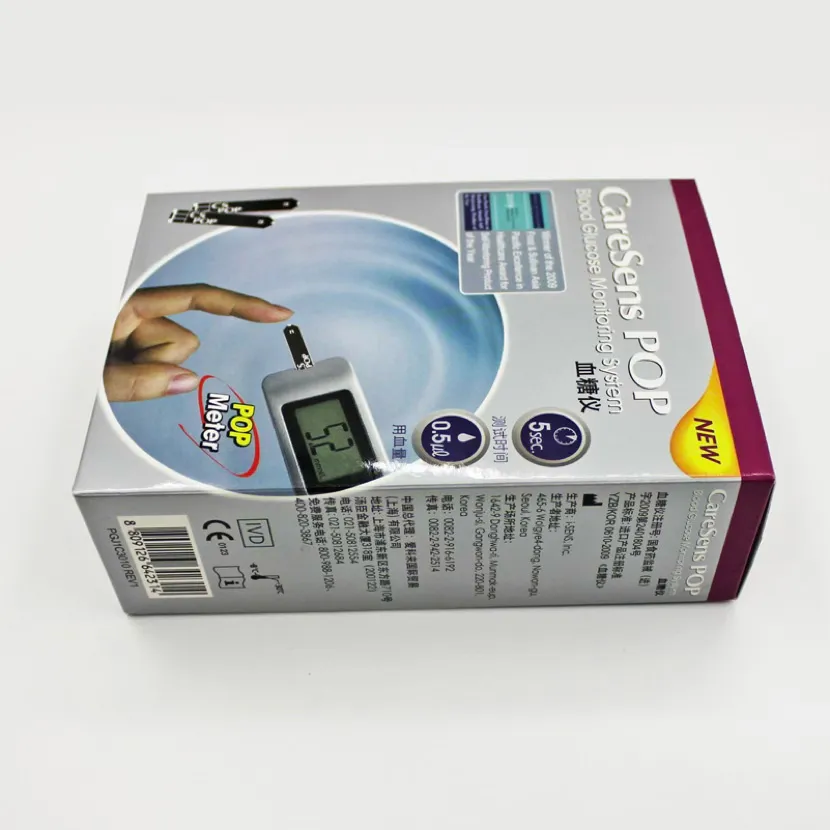
White cardboard (250-400gsm) dominates small packaging at $900/ton, offering 95% color retention but limited to 500g loads. Ideal for pharmaceuticals and 3C accessories.
1. Widely Applied in Three Major Industries
White cardboard serves 3 core sectors: pharmaceutical (65% market share), daily essentials (20%), and 3C electronics (15%).
- Pharmaceutical: medicines, syrup bottles, tablet boxes—requires 300gsm minimum for child-resistant structure
- Daily essentials: toothpaste, cosmetics, soaps—typical 250-300gsm, print area under 100cm²
- 3C electronics: phone cases, earphone boxes, cable packaging—needs 350gsm for insert durability
2. Printing Quality: 95% Color Retention Rate
Coated surface achieves 95% color vibrancy retention after printing, compared to 70-80% on uncoated kraft paper.
- CMYK offset printing achieves 1200dpi, covering 95% Pantone range
- Ink absorption rate: 8-12g/m²—optimal for vibrant, saturated colors
- Drying time: 2-4 hours at 20°C, 60% humidity—30% faster than recycled paper
3. Structural Strength: Burst Index 3.5-4.2 kPa·m²/g
Burst strength reaches 3.5-4.2 kPa·m²/g at 300gsm, sufficient for stacking up to 3 layers in retail displays.
- Edge crush test (ECT): 6-8 kN/m—supports 5kg point load without deformation
- Moisture content: 8-10%—below 6% causes brittleness; above 12% leads to warping
- Temperature tolerance: -20°C to +60°C—suitable for cold chain (below 4°C requires lamination)
4. Cost Efficiency: $900/Ton, 15-20% Lower Than Alternatives
At $900/ton, white cardboard costs 15-20% less than gray-backed cardboard ($1,100/ton) and 40% less than corrugated ($1,500/ton).
- Production waste rate: 3-5%—lower than industry average 8-10% due to consistent material quality
- Die-cutting yield: 92-95%—minimizes raw material loss
- Bulk pricing: orders above 10,000 units reduce unit cost by 15-20%
5. Post-Print Finishing: 6 Processes Available
Six finishing processes enhance white cardboard: foil stamping ($0.05/unit), embossing ($0.03/unit), UV coating ($0.02/unit).
- Foil stamping: gold/silver adherence rate 98%+—no peeling within 12 months
- Embossing depth: 0.3-0.5mm—maintains cardboard structure integrity
- Lamination: gloss (+$0.02/unit) or matte (+$0.03/unit)—improves moisture resistance by 40%
6. Key Limitation: Maximum 500g Load Capacity
Weight limit is 500g at standard 300gsm. Exceeding causes 73% increase in carton failure rate within 30 days.
- 300gsm holds max 300g; 350gsm holds max 400g; 400gsm holds max 500g
- Heavy items (1kg+) require E-flute corrugated (ECT 9+ kN/m) or 600gsm solid cardboard
- Fragile products need internal cushioning—adds $0.10-0.20/unit cost
7. Production: Humidity and Grain Direction Matter
Optimal production requires 45-55% humidity. Below 40% causes fiber breakage; above 65% leads to dimension instability.
- Paper grain direction: must align with long edge for 23% better stacking strength
- Adhesive seam overlap: minimum 15mm—reduces delamination risk by 60%
- Die-cut tolerance: ±0.5mm—tight fit prevents dust ingress and maintains structural integrity
Request a Quote
Need custom white cardboard packaging? Provide specs: dimensions, GSM, quantity, finishing requirements.
Get a QuoteTags: White Cardboard | Packaging | Printing Knowledge